
What is Planning?
The UK Planning system is essentially a rulebook for construction. It decides where houses, shops, and other buildings can be built, and how they should look. It helps make sure new buildings don’t cause problems and considers what people need in their neighbourhoods.
Many residential and commercial clients find the planning process confusing. It differs between councils due to their unique “local plan,” and the interpretation of policy can vary between officers. Our goal is to simplify this process and make it easier to understand.
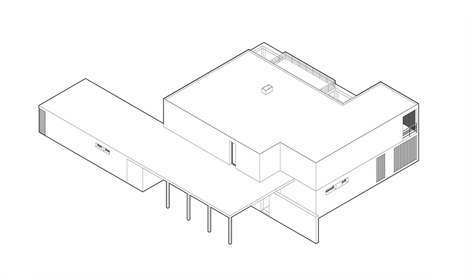

Planning Criteria
Each Local Planning Authority (LPA), and often each of their officers, is responsible for evaluating proposed building applications based on the following criteria:
- Does it fit with the Local and National Planning Policy, Or not?
- Does it fall into a location which is suitable (and/or sustainable) for development?
- If it does not, perhaps in terms of use, design, or site location, is there any reason why an exception can be made?
- How does the design fit in with the local area, or perhaps create a positive distinctive point of interest?
- How does the proposal impact on neighbours, and if any of the impacts are “material” or important to the decision-making process?
- Conversely, any “material” positive contribution the scheme would make, and if that would outweigh any negative aspects of it.
The decision-making process involves weighing the positive and negative aspects of the proposal. It’s commonly known as the “planning balance” because of this equilibrium between different factors.